
ALFALFA
Commodity Overview
Alfalfa (Medicago sativa), known as the "Queen of Forages," represents a strategic opportunity in Nigeria's expanding livestock sector, addressing the critical feed quality gap that constrains dairy and meat production across the country. With Nigeria's livestock population exceeding 20 million cattle, 75 million goats, and 45 million sheep, but domestic feed production meeting only 40% of nutritional requirements, the livestock sector imports over $400 million worth of feed ingredients annually, creating substantial opportunities for domestic forage production to capture import substitution markets.
The economic significance of alfalfa cultivation extends beyond direct feed sales to encompass soil improvement benefits through nitrogen fixation (adding 150-250 kg nitrogen per hectare annually), water table management through deep root systems (penetrating 3-6 meters), and creation of sustainable livestock production systems. Alfalfa's exceptional nutritional profile—18-22% crude protein, high digestibility, and rich mineral content—makes it the premium forage for dairy cattle, beef cattle, horses, and small ruminants, commanding prices of ₦80,000-150,000 per ton for quality hay compared to ₦30,000-50,000 per ton for grass hay.
Nigeria's alfalfa production potential remains virtually untapped despite possessing suitable conditions in highland and northern regions where cooler temperatures, adequate water availability, and appropriate soils create favorable growing conditions. Recent initiatives by livestock development programs and private dairy operations have demonstrated successful alfalfa cultivation in Plateau, Kaduna, and Kano states, with yields of 40-60 tons fresh forage per hectare annually (8-12 tons dry hay) proving commercial viability.
Nigeria's Alfalfa Production Zones
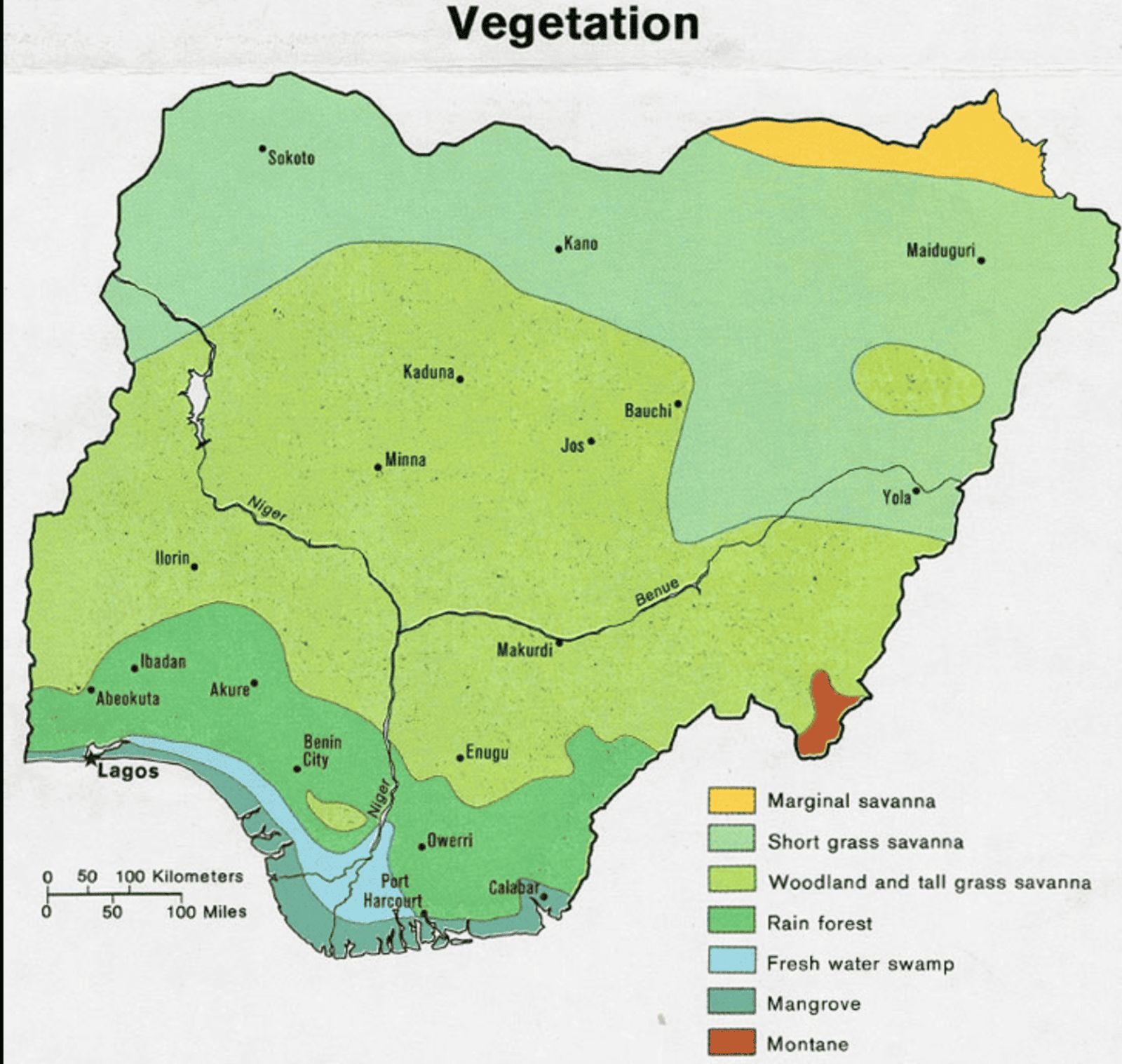
Top 3 Producing States
1. Plateau State
Plateau State commands the premier position for alfalfa cultivation in Nigeria through exceptional climatic advantages, suitable soils, and established livestock production systems creating strong local demand. The state's high elevation (1,200-1,800 meters above sea level) creates temperate conditions with cooler temperatures (18-25°C) that alfalfa thrives in, contrasting sharply with the hot tropical conditions across most of Nigeria that limit alfalfa performance.
Plateau's competitive advantage stems from its unique "temperate island" climate within tropical Nigeria, providing the cool season temperatures (15-20°C) that stimulate alfalfa growth and the moderate warm season temperatures (20-25°C) that prevent heat stress. The state's well-distributed rainfall (1,000-1,400mm annually) combined with cool temperatures reduces water stress and disease pressure compared to lowland areas.
The state hosts Nigeria's largest concentration of commercial dairy farms and beef cattle operations, creating strong local demand for quality forage. Jos and surrounding areas serve as Nigeria's dairy hub, with over 50 commercial dairy farms and numerous smallholder operations requiring consistent supplies of high-protein forage to maintain milk production.
Plateau State Map
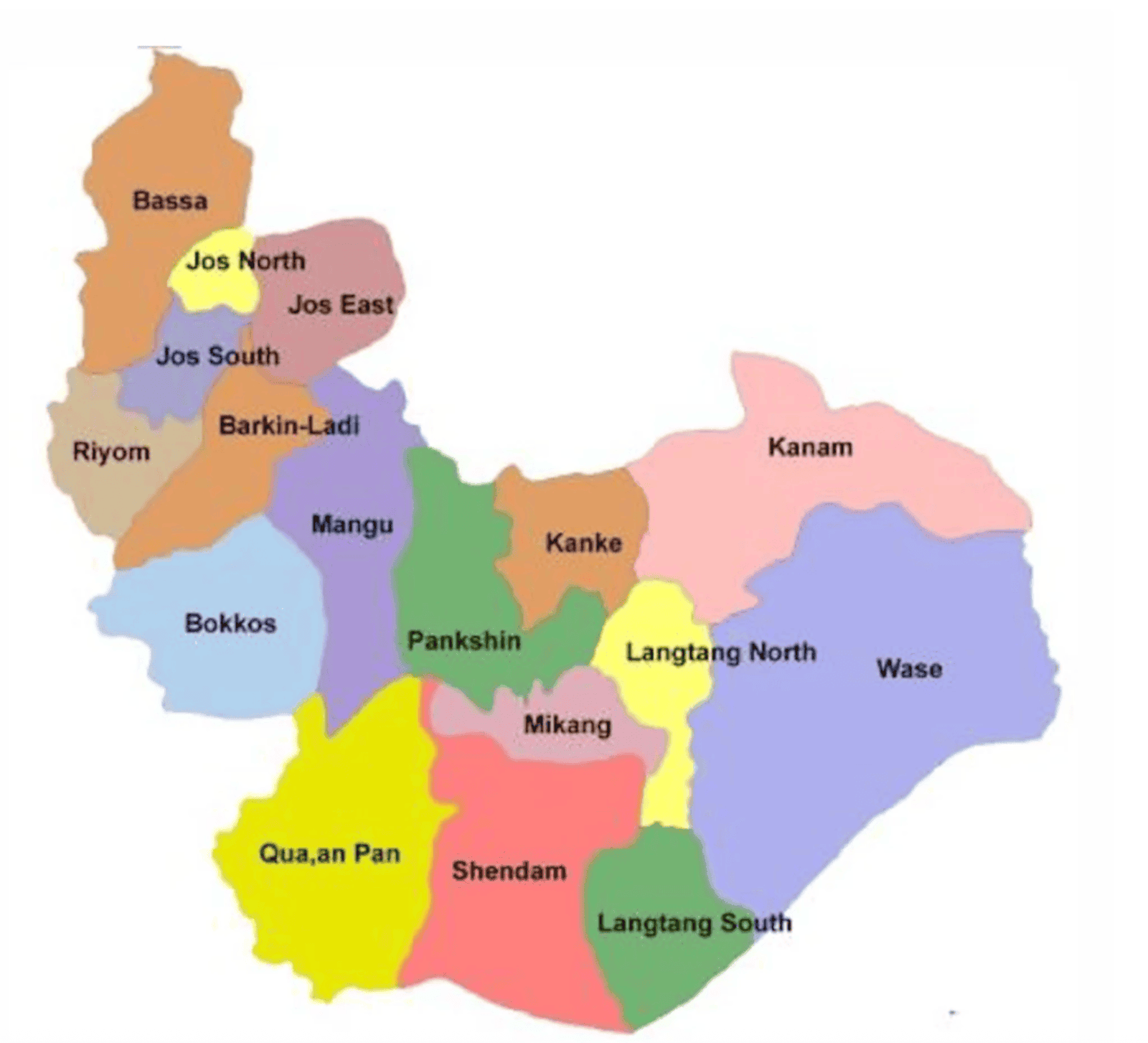
Best Regions/LGAs for Production
Primary LGA: Jos South
Represents Plateau State's premier alfalfa-growing zone, benefiting from optimal elevation (1,200-1,400m), cool temperatures, adequate rainfall, and proximity to Jos's concentration of dairy farms creating immediate market demand. The area's volcanic soils possess good drainage and fertility ideal for alfalfa cultivation.
Secondary LGA: Barkin Ladi
Ranks as Plateau's second-most suitable alfalfa zone, distinguished by its higher elevation (1,400-1,600m) creating even cooler temperatures optimal for alfalfa growth. The area's extensive grazing lands and growing dairy sector create market demand for quality forage.
Tertiary LGA: Mangu
Positioned in the southern part of the Plateau, offers suitable elevation (1,200-1,500m) and adequate rainfall. The area's developing livestock sector and good road connectivity to Jos provide market access for alfalfa production.
Growing Conditions

Climate
Temperate highland climate with cool temperatures (18-25°C) ideal for alfalfa. Distinct wet season (April-October) and dry season (November-March) with moderate temperatures year-round.

Soil Type
Well-drained volcanic soils (Andisols) with good structure, adequate depth (>1 meter), and neutral to slightly alkaline pH (6.5-7.5) ideal for alfalfa. Good fertility and drainage.

Rainfall
Annual precipitation 1,000-1,400mm concentrated in wet season. Adequate for alfalfa establishment and growth, though irrigation during dry season significantly improves productivity.

Temperature
Cool temperatures 18-25°C fall within alfalfa's optimal range. Cooler nights (12-18°C) stimulate growth. Absence of extreme heat (>35°C) prevents heat stress common in lowland areas.

Altitude
Elevation 1,200-1,800 meters creates temperate conditions unique in Nigeria. Higher elevations provide cooler temperatures but may face frost risk in extreme years.

Water Availability
Adequate rainfall during wet season, but irrigation during 5-6 month dry season essential for continuous production. Access to water sources (dams, boreholes, streams) critical for commercial operations.
Project Implementation Strategy
Phase 1: Site Preparation & Soil Amendment (Months 1-2)
Select suitable site with appropriate elevation, access to irrigation water, and good drainage. Conduct soil testing for pH and nutrients. Apply lime if pH below 6.5 (alfalfa requires neutral to slightly alkaline pH). Deep plow (30-40cm) to break compaction and facilitate deep root penetration.
Phase 2: Planting & Establishment (Months 3-5)
Source quality alfalfa seed (improved varieties suited to tropical highlands). Plant at 15-25 kg seed per hectare using broadcast or drill seeding. Plant at onset of rains (April-May) when soil moisture adequate. Apply phosphorus fertilizer (60-80 kg P₂O₅ per hectare) at planting. Inoculate seed with Rhizobium bacteria if soil lacks appropriate strains.
Phase 3: First Growth & Management (Months 6-8)
Monitor establishment, controlling weeds carefully as young alfalfa is poor competitor. Irrigate if rainfall insufficient during establishment. First harvest occurs 90-120 days after planting when plants reach early bloom stage. Cut at 5-8cm height to preserve crown buds for regrowth.
Phase 4: Maturation & Harvesting (Months 7-8)
Implement regular cutting cycle every 30-45 days during growing season (6-8 cuts per year). Irrigate during dry season to maintain production. Apply maintenance fertilization (phosphorus and potassium) annually. Monitor for pests and diseases, implementing integrated management.
Phase 5: Processing & Marketing (Months 9-10)
Alfalfa stands remain productive for 3-5 years with good management. Monitor stand density and vigor, replanting when productivity declines. Rotate to other crops for 1-2 years before re-establishing alfalfa to break pest and disease cycles.
KEY ADVANTAGES & SUCCESS FACTORS
Optimal Climate
Unique temperate highland climate provides cool temperatures ideal for alfalfa growth
Strong Local Demand
Concentration of dairy farms and livestock operations creates immediate market for quality forage
Soil Improvement
Nitrogen fixation (150-250 kg N/ha annually) improves soil fertility for subsequent crops
Premium Pricing
Quality alfalfa hay commands ₦80,000-150,000 per ton, 2-3x price of grass hay
Multiple Harvests
6-8 cuts per year with irrigation provides continuous income stream
2. Kaduna State
Kaduna State secures the second position for alfalfa cultivation through suitable conditions in its southern highland zones, adequate water resources from dams and irrigation systems, and growing livestock sector creating market demand. The state's elevation in southern areas (600-1,000 meters) provides moderately cool temperatures, while extensive irrigation infrastructure enables dry season production.
Kaduna's competitive advantage stems from its strategic location in the Middle Belt with access to both northern and southern markets, good road infrastructure facilitating input delivery and forage marketing, and strong government support for agricultural development including irrigation infrastructure investment.
Kaduna State Map
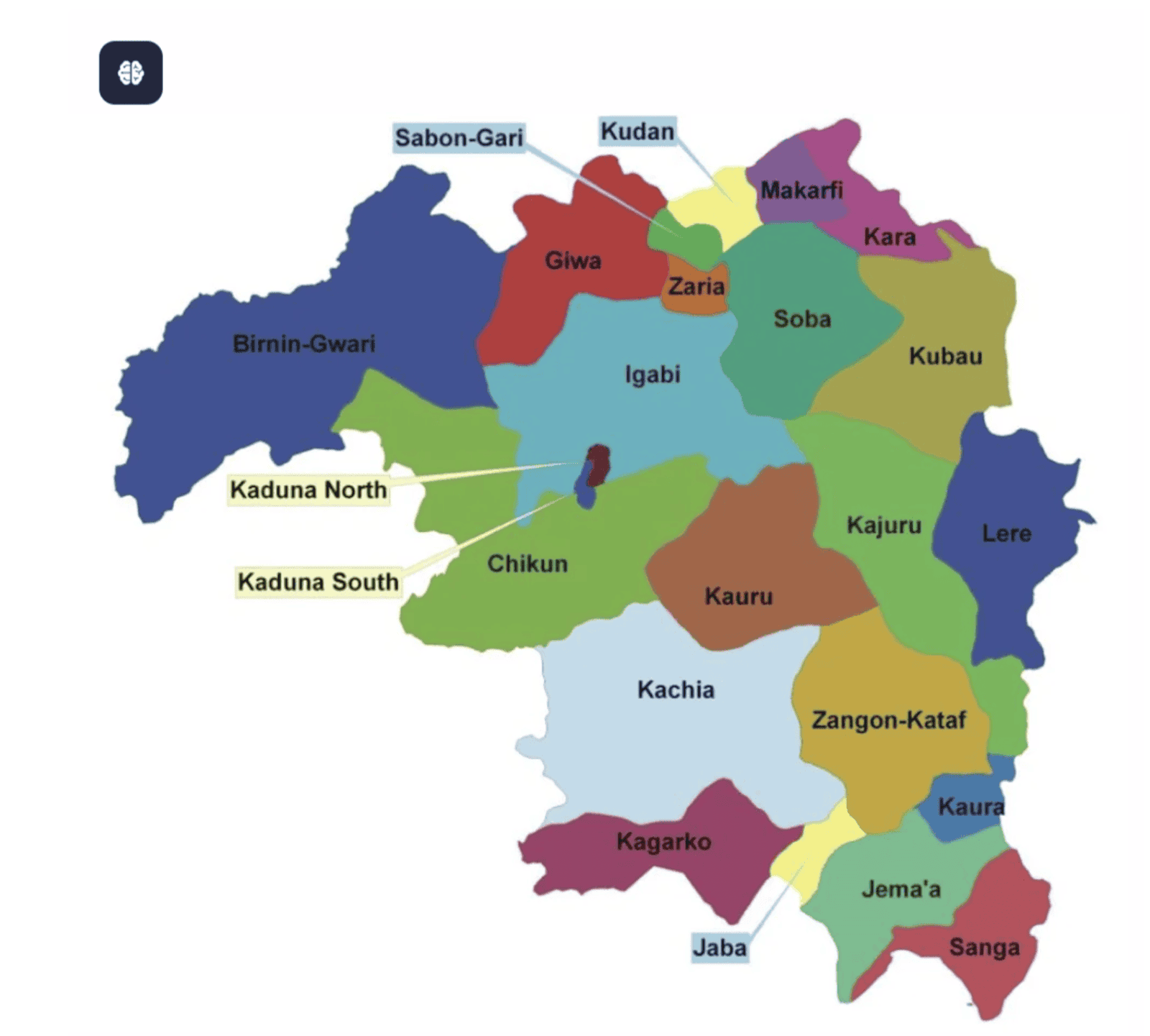
Best Regions/LGAs for Production
Primary LGA: Kataf
Represents Kaduna State's premier alfalfa-growing zone, benefiting from higher elevation (800-1,000m) in the southern part of the state creating cooler temperatures. Adequate rainfall and access to streams provide water for irrigation during dry season.
Secondary LGA: Kachia
Ranks as Kaduna's second-most suitable alfalfa zone, distinguished by its access to Kafin Chiri Dam and irrigation systems providing reliable water supply. The area's developing livestock sector creates market demand.
Tertiary LGA: Jema'a
Positioned in the southern highlands, offers suitable elevation and adequate rainfall. The area's proximity to Plateau State provides access to dairy market and technical knowledge.
Growing Conditions
Climate
Tropical savanna climate with distinct wet and dry seasons. Southern highland areas (600-1,000m elevation) have moderately cool temperatures (22-28°C) suitable for alfalfa.
Soil Type
Well-drained loam to clay-loam soils with adequate depth. pH varies (5.5-7.0) with some areas requiring lime application to raise pH above 6.5 for optimal alfalfa growth.
Rainfall
Annual precipitation 1,000-1,500mm concentrated in wet season (May-October). Adequate for establishment but irrigation essential for dry season production.
Temperature
Moderately warm temperatures 22-28°C in southern highland areas. Warmer than Plateau State but within acceptable range for alfalfa with good management.
Altitude
Southern highland areas at 600-1,000 meters elevation provide moderately cool conditions. Lower than Plateau State but sufficient for alfalfa cultivation.
Water Availability
Access to dams (Kafin Chiri, Shiroro) and irrigation systems provides water for dry season production. Groundwater also available in many areas.
Project Implementation Strategy
Phase 1: Site Preparation & Soil Amendment (Months 1-2)
Select suitable site with appropriate elevation, access to irrigation water, and good drainage. Conduct soil testing for pH and nutrients. Apply lime if pH below 6.5 (alfalfa requires neutral to slightly alkaline pH). Deep plow (30-40cm) to break compaction and facilitate deep root penetration.
Phase 2: Planting & Establishment (Months 3-5)
Source quality alfalfa seed (improved varieties suited to tropical highlands). Plant at 15-25 kg seed per hectare using broadcast or drill seeding. Plant at onset of rains (April-May) when soil moisture adequate. Apply phosphorus fertilizer (60-80 kg P₂O₅ per hectare) at planting. Inoculate seed with Rhizobium bacteria if soil lacks appropriate strains.
Phase 3: First Growth & Management (Months 6-8)
Monitor establishment, controlling weeds carefully as young alfalfa is poor competitor. Irrigate if rainfall insufficient during establishment. First harvest occurs 90-120 days after planting when plants reach early bloom stage. Cut at 5-8cm height to preserve crown buds for regrowth.
Phase 4: Continuous Production (Months 9-36)
Implement regular cutting cycle every 30-45 days during growing season (6-8 cuts per year). Irrigate during dry season to maintain production. Apply maintenance fertilization (phosphorus and potassium) annually. Monitor for pests and diseases, implementing integrated management.
Phase 5: Stand Renewal (Year 3+)
Alfalfa stands remain productive for 3-5 years with good management. Monitor stand density and vigor, replanting when productivity declines. Rotate to other crops for 1-2 years before re-establishing alfalfa to break pest and disease cycles.
KEY ADVANTAGES & SUCCESS FACTORS
Irrigation Infrastructure
Access to dams and irrigation systems enables dry season production
Strategic Location
Access to both northern and southern markets provides marketing flexibility
Government Support
State agricultural programs provide irrigation infrastructure and technical support
Growing Livestock Sector
Expanding dairy and beef cattle operations create increasing demand for quality forage
Lower Land Costs
Land prices lower than Plateau State while maintaining suitable growing conditions
3. Kano State
Kano State secures the third position for alfalfa cultivation through strong market demand from its massive livestock population, extensive irrigation infrastructure, and government support for forage production despite warmer temperatures requiring more intensive management. The state's livestock sector—including over 2 million cattle and 5 million small ruminants—creates substantial demand for quality forage.
Kano's competitive advantage stems from massive local market demand, premium pricing for quality forage in northern markets, and extensive irrigation infrastructure (Tiga Dam, Challawa Dam, and numerous irrigation schemes) providing water for dry season production.
Kano State Map
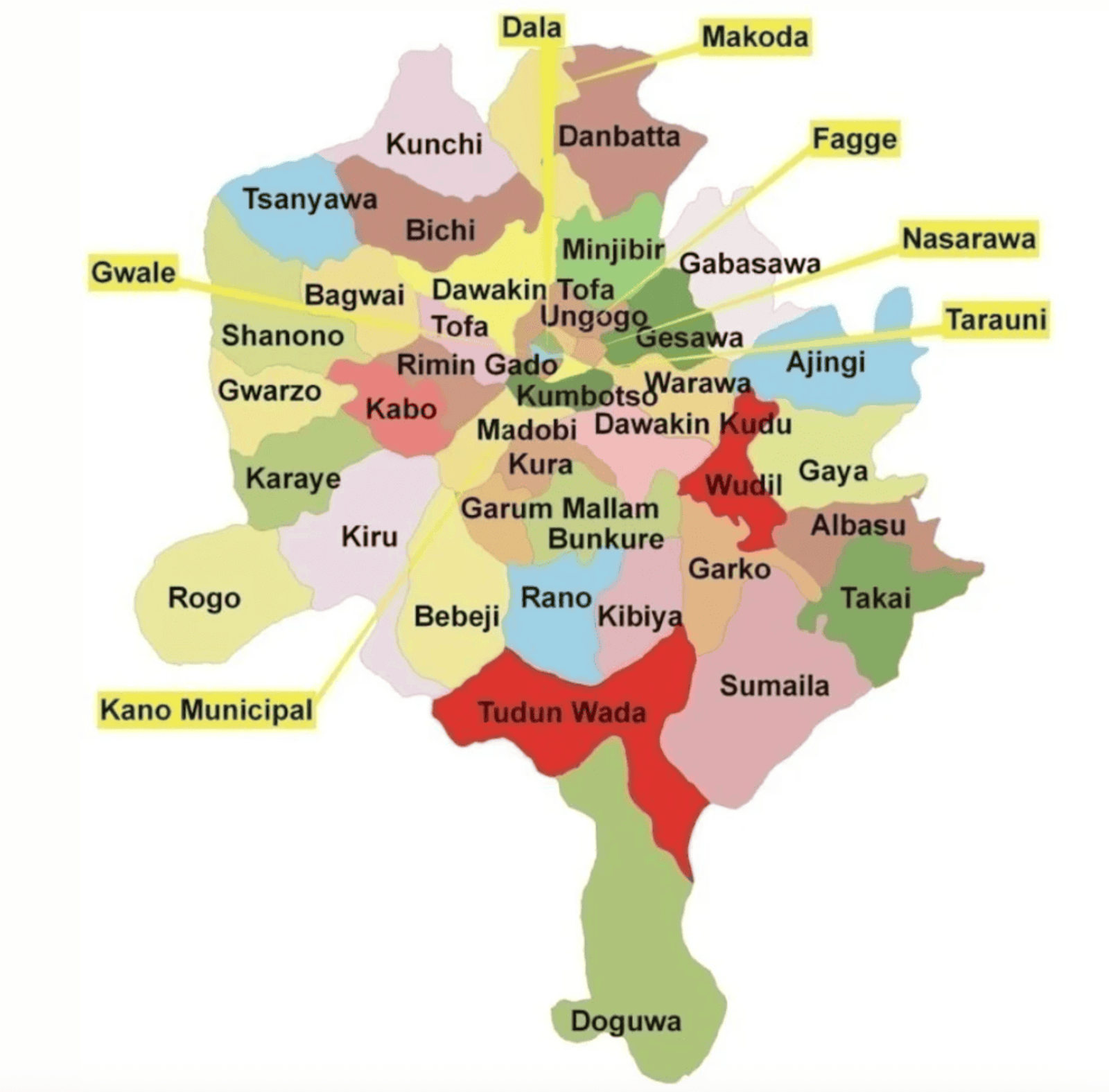
Best Regions/LGAs for Production
Primary LGA: Kura
Represents Kano State's premier alfalfa-growing zone, benefiting from access to Tiga Dam irrigation system providing reliable water supply. The area's proximity to Kano city's livestock market creates strong demand for quality forage.
Secondary LGA: Bunkure
Ranks as Kano's second-most suitable alfalfa zone, distinguished by its location near Tiga Dam and established irrigation farming systems. Growing dairy operations in the area create market demand.
Tertiary LGA: Rano
Positioned with access to irrigation systems and groundwater, offers water availability for alfalfa cultivation. The area's livestock production systems create local market demand.
Growing Conditions
Climate
Semi-arid climate with pronounced dry season (October-April) and rainy season (May-September). Hot temperatures during dry season (30-40°C) can stress alfalfa requiring intensive management.
Soil Type
Clay to clay-loam soils with adequate depth. Generally alkaline pH (7.0-8.5) suitable for alfalfa without lime application. Good water retention properties.
Rainfall
Annual precipitation 600-900mm concentrated in rainy season. Insufficient for alfalfa without irrigation. Dry season production requires full irrigation.
Temperature
Hot temperatures during dry season (30-40°C) stress alfalfa and reduce productivity. Cooler rainy season (25-30°C) provides better conditions. Warmer than optimal but manageable with irrigation and variety selection.
Altitude
Low elevation (400-600 meters) results in warmer temperatures. Not ideal for alfalfa but production possible with intensive management.
Water Availability
Extensive irrigation infrastructure (Tiga Dam, Challawa Dam, irrigation schemes) provides water access. Irrigation essential for alfalfa production in semi-arid climate.
Project Implementation Strategy
Phase 1: Site Preparation & Soil Amendment (Months 1-2)
Select suitable site with appropriate elevation, access to irrigation water, and good drainage. Conduct soil testing for pH and nutrients. Apply lime if pH below 6.5 (alfalfa requires neutral to slightly alkaline pH). Deep plow (30-40cm) to break compaction and facilitate deep root penetration.
Phase 2: Planting & Establishment (Months 3-5)
Source quality alfalfa seed (improved varieties suited to tropical highlands). Plant at 15-25 kg seed per hectare using broadcast or drill seeding. Plant at onset of rains (April-May) when soil moisture adequate. Apply phosphorus fertilizer (60-80 kg P₂O₅ per hectare) at planting. Inoculate seed with Rhizobium bacteria if soil lacks appropriate strains.
Phase 3: First Growth & Management (Months 6-8)
Monitor establishment, controlling weeds carefully as young alfalfa is poor competitor. Irrigate if rainfall insufficient during establishment. First harvest occurs 90-120 days after planting when plants reach early bloom stage. Cut at 5-8cm height to preserve crown buds for regrowth.
Phase 4: Continuous Production (Months 9-36)
Implement regular cutting cycle every 30-45 days during growing season (6-8 cuts per year). Irrigate during dry season to maintain production. Apply maintenance fertilization (phosphorus and potassium) annually. Monitor for pests and diseases, implementing integrated management.
Phase 5: Stand Renewal (Year 3+)
Alfalfa stands remain productive for 3-5 years with good management. Monitor stand density and vigor, replanting when productivity declines. Rotate to other crops for 1-2 years before re-establishing alfalfa to break pest and disease cycles.
KEY ADVANTAGES & SUCCESS FACTORS
Strong Market Demand
Massive livestock population (2+ million cattle, 5+ million small ruminants) creates substantial forage demand
Premium Pricing
Quality forage commands premium prices in northern markets where supply is limited
Irrigation Infrastructure
Extensive dam and irrigation systems provide water access despite semi-arid climate
Government Support
State programs support irrigation farming and forage production
Competitive Advantage
Limited alfalfa production in northern Nigeria creates opportunities for early movers
Conclusion
Alfalfa cultivation represents a strategic opportunity in Nigeria's expanding livestock sector, addressing critical feed quality gaps and commanding premium prices. Plateau State offers optimal temperate conditions with strong local dairy market demand. Kaduna State provides suitable southern highland conditions with irrigation infrastructure. Kano State demonstrates northern market potential with premium pricing despite requiring intensive irrigation management.