
Hub Overview
The NMA Hub represents a transformative approach to agricultural development in Nigeria, establishing a comprehensive agro-industrial ecosystem on the Mambilla Plateau in Taraba State.
Unlike traditional single-commodity projects, the NMA Hub integrates multiple high-value agricultural value chains into a unified processing and distribution system supported by world-class infrastructure.
By providing essential infrastructure, including processing facilities, cold storage, renewable energy systems, warehousing, and a training center, the hub transforms raw agricultural commodities into premium finished products.
This integrated approach creates synergies across value chains, optimizes resource utilization, and establishes Taraba State as a leading agro-industrial destination.
4
Integrated Value Chains
10,000+
Smallholder Farmers
2,000+
Direct Jobs Created
5 Phases
Implementation Timeline
The Four Integrated Value Chains
Each value chain is designed to maximize synergies while maintaining distinct market positioning and competitive advantages. Click on any chain to explore detailed components, production processes, and investment opportunities.
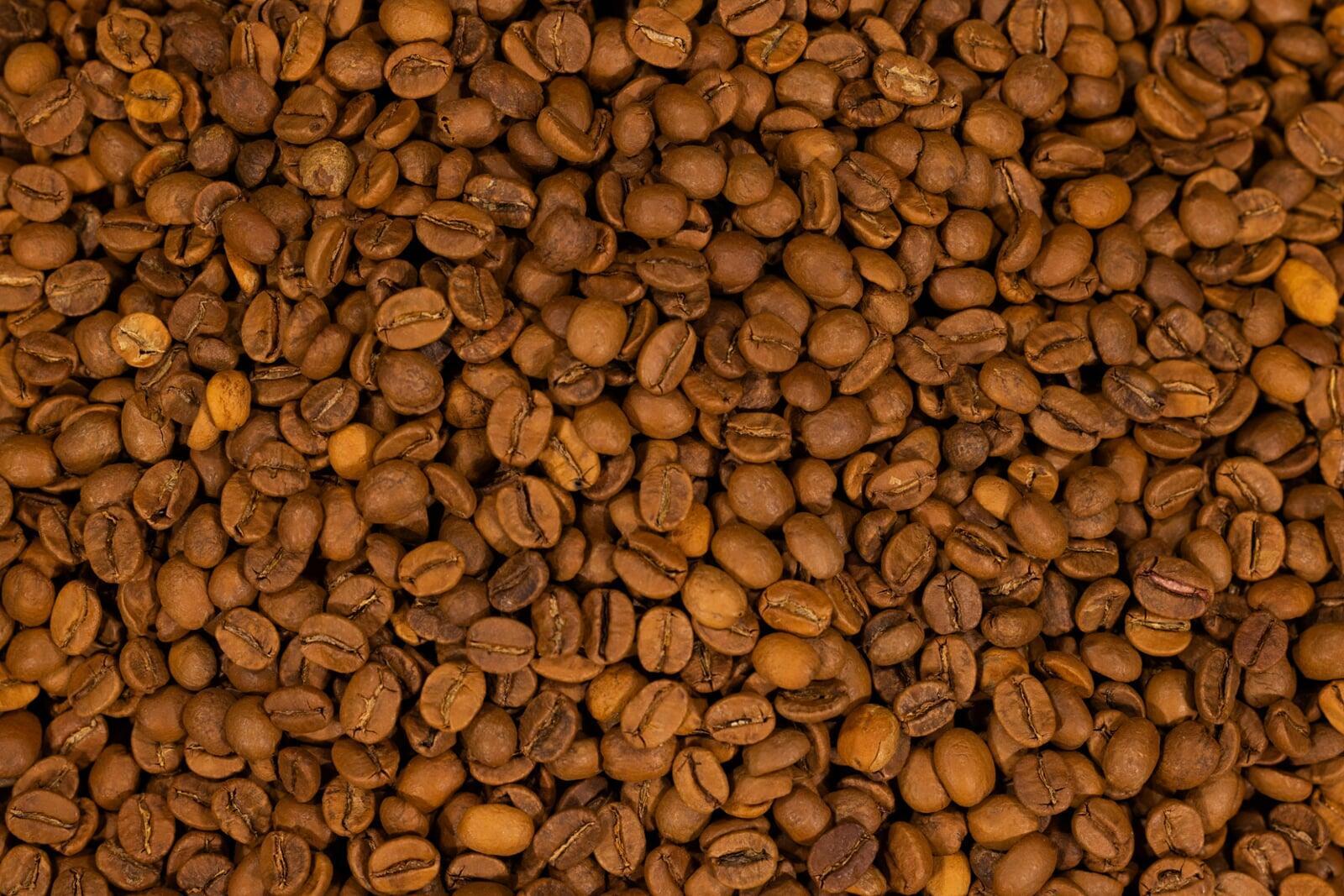
Beverages
(Coffee & Tea)
Overview
Mambilla Plateau's temperate climate and high altitude create exceptional conditions for producing premium Arabica coffee and specialty teas that command premium prices in international markets. The Beverage Value Chain establishes complete farm-to-cup infrastructure including nurseries, outgrower supply systems, processing and roasting facilities, and packaging plants that transform locally-grown coffee and tea into export-quality finished products.
Key Components
- Coffee and Tea Nursery & Plantation establishment
- Outgrowers' Supply Chain System connecting smallholder farmers
- Coffee Processing and Roasting Plant with quality control systems
- Packaging Plant for retail and wholesale distribution
Production & Processing
The value chain begins with establishing demonstration plantations and distributing improved seedlings to outgrower farmers through organized cooperatives. Central processing facilities receive fresh coffee cherries and tea leaves from collection points, ensuring rapid processing that preserves quality and flavor profiles. Modern roasting equipment allows customization of roast profiles for different market segments, while automated packaging lines produce consumer-ready products meeting international food safety standards.
Market Opportunity
Nigeria currently imports significant quantities of coffee and tea despite having suitable growing conditions, representing immediate import-substitution opportunities. International demand for specialty African coffees and unique tea varieties continues growing, particularly in premium and organic segments. The NMA Hub's processing capabilities enable direct access to export markets while building domestic brands that capture higher margins than raw commodity sales.
Investment Advantages
- Premium product positioning based on unique terroir and altitude
- Year-round processing capacity utilizing both coffee and tea seasons
- Shared infrastructure reducing per-unit processing costs
- Direct market linkages eliminating intermediary margins
- Export-oriented production capturing foreign exchange earnings
Cattle-Dairy
Milk & Dairy Products
Overview
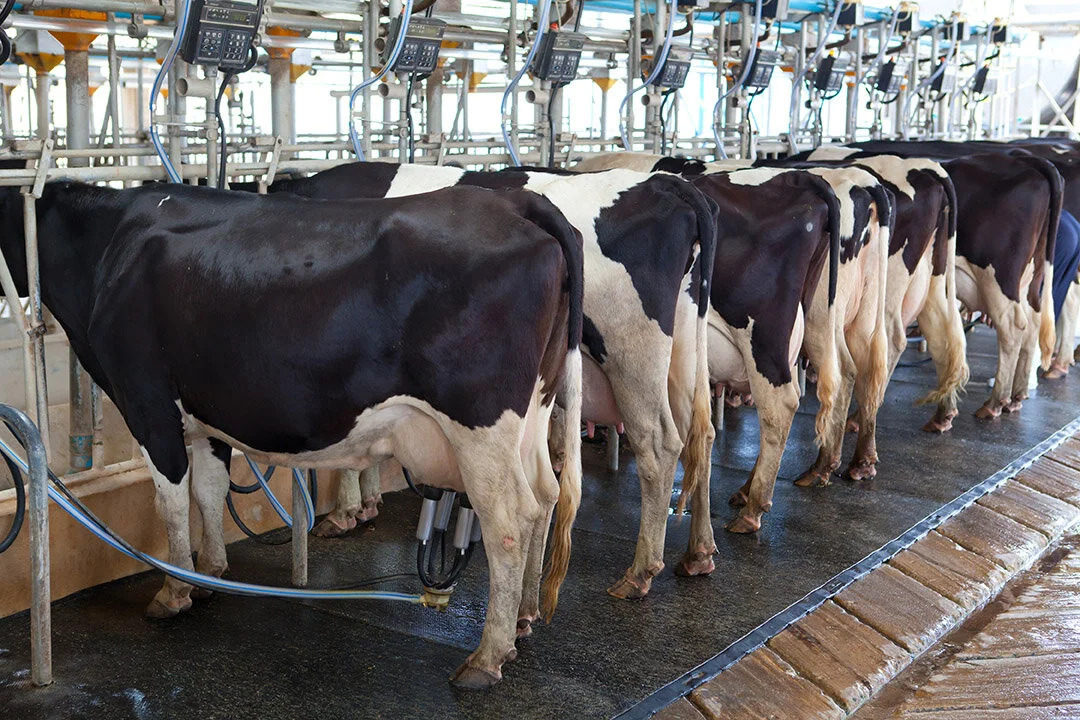
Taraba State's status as Nigeria's leading livestock state, with approximately 5 million cattle, creates exceptional opportunities for dairy value-addition. The Cattle-Dairy Value Chain transforms this abundant raw milk production into diverse processed dairy products through modern reception, processing, filling, packaging, storage, and cooling facilities equipped with specialized machinery for cheese, butter, yogurt, and ice cream production.
Key Components
- Dairy Reception, Processing, Filling, Packaging, Storage and Cooling facilities
- Testing and Laboratory Equipment ensuring quality and safety
- Product-Specific Machinery: Cheese Presses, Butter Churns, Yogurt Making Machines, Ice Cream Makers
- Cooling tanks at collection centres minimise spoilage
Production & Processing
The value chain organizes dairy farmers into cooperatives that aggregate milk supply and provide access to veterinary services, improved breeds, and feed supplements. Collection centers equipped with cooling tanks preserve milk quality during transportation to the central processing facility. Modern pasteurization, homogenization, and separation equipment enables production of diverse dairy products, while laboratory testing ensures consistent quality and food safety compliance. Cold chain infrastructure maintains product integrity from processing through distribution.
Market Opportunity
Nigeria's dairy sector relies heavily on imported milk powder and finished dairy products, creating substantial import-substitution opportunities. Growing middle-class populations in Nigerian cities demand fresh, locally-produced dairy products, while regional markets in West and Central Africa offer export potential. The NMA Hub's processing capabilities enable production of shelf-stable products that reach distant markets while maintaining quality.
Investment Advantages
- Abundant local raw milk supply from Taraba's extensive cattle herds
- Multiple revenue streams from diverse product portfolio
- Cooperative structure ensuring consistent supply and fair pricing
- Veterinary and breeding services improving milk yields and quality
- Cold chain infrastructure enabling market expansion
Exotic Fruits
(Premium Fruits & Juices)
Overview
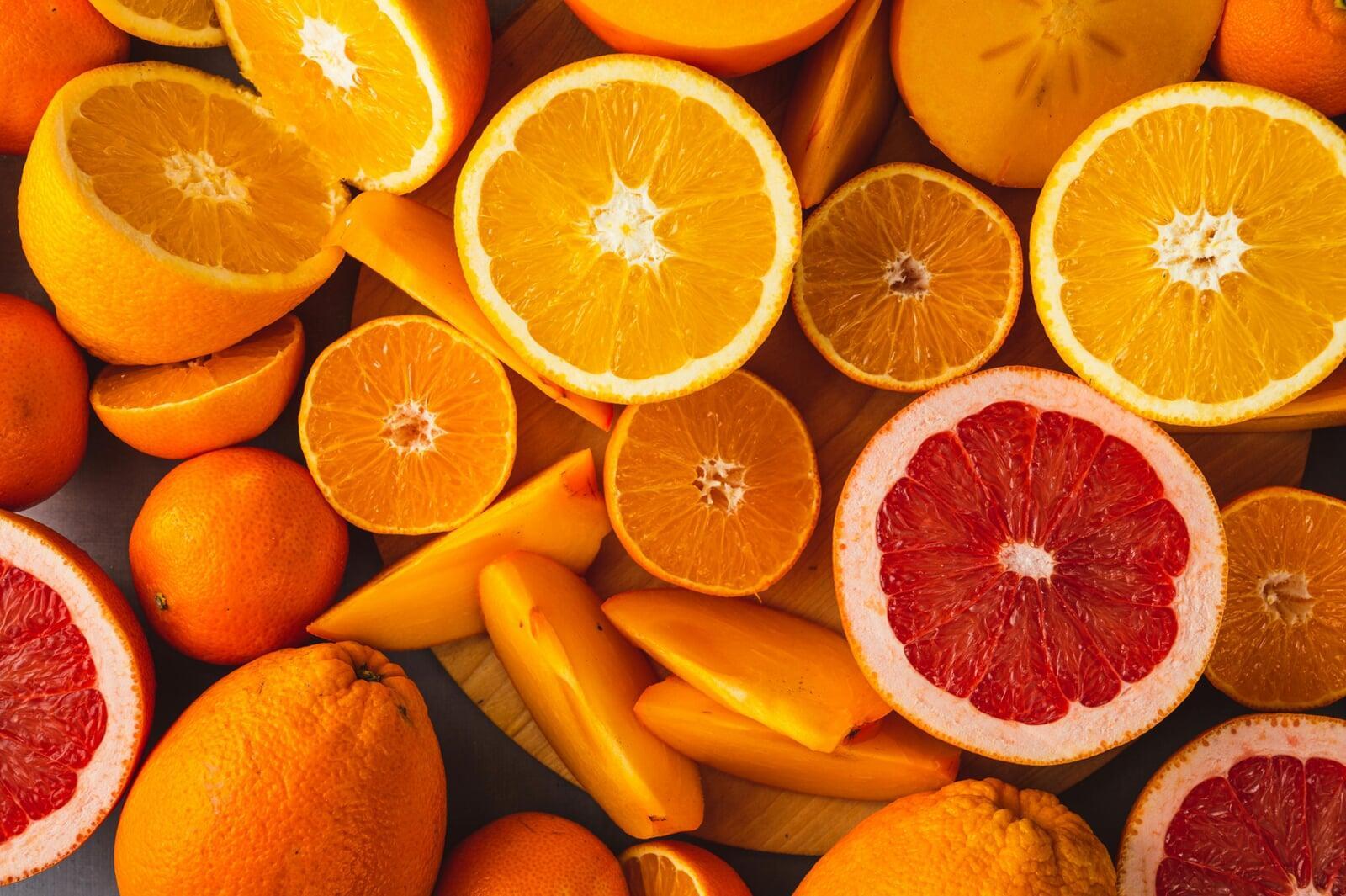
Mambilla Plateau's temperate climate enables cultivation of high-value exotic fruits that cannot be grown in Nigeria's tropical lowlands, creating unique market positioning and premium pricing opportunities. The Exotic Fruits Value Chain encompasses nursery operations, outgrower systems, and comprehensive processing, packaging, storage, and cooling facilities that transform fresh fruits into diverse products including fresh table grapes, non-alcoholic wines, dried fruits, and fruit-based beverages.
Key Components
- Exotic Fruits Nursery & Plantation Set Up with improved varieties
- Out Growers Supply Chain System connecting fruit farmers
- Processing, Packaging, Storage and Cooling Facilities
Production & Processing
The value chain establishes demonstration orchards and distributes improved planting materials to trained outgrower farmers. Research and development centers conduct variety trials, optimize production practices, and develop new products tailored to market demands. Processing facilities include cold storage extending shelf-life of fresh fruits, solar driers producing premium dried fruit products, and juice extraction and bottling lines for non-alcoholic beverages. Packaging operations cater to both retail and food service markets.
Market Opportunity
Nigeria's growing affluent consumer segment increasingly demands exotic fruits currently available only through expensive imports. Table grapes, dragon fruit, passion fruit, pomegranates, and berries command premium prices in urban markets, while processed products including non-alcoholic wines and dried fruits appeal to health-conscious consumers. Regional export markets in West Africa offer additional demand, particularly for products unavailable from local sources.
Investment Advantages
- Geographic monopoly on temperate fruit production in Nigeria
- Premium pricing reflecting scarcity and import-substitution value
- Diverse product portfolio spreading risk and extending seasons
- Solar drying technology reducing energy costs and environmental impact
- Research capacity enabling continuous product innovation
Cattle-Beef
(Premium Beef Products)
Overview
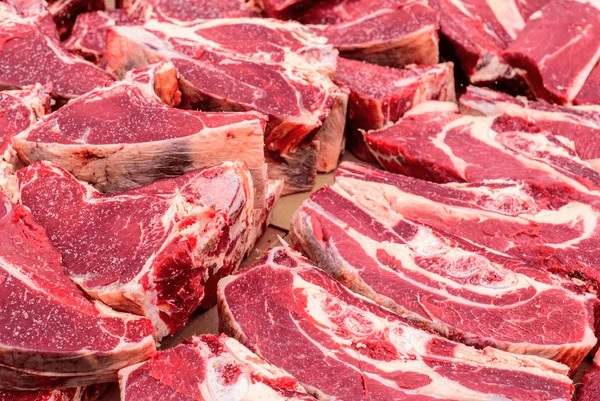
The Cattle-Beef Value Chain transforms Taraba's abundant cattle population into premium processed beef products through modern abattoir facilities, meat processing systems, and cold chain infrastructure. By optimizing the entire value chain from grazing and fattening through slaughter, processing, packaging, and distribution, the hub delivers consistent-quality beef products that meet domestic and export market standards while providing herders with fair prices and reliable off-take arrangements.
Key Components
- Outgrowers' Cattle Grazing and Fattening Facilities
- Modern Abattoir Lairage & Abattoir System with chilling and blast freezing
- Insemination and Veterinary Services for genetic improvement
- Cold Chain Storage and Transportation infrastructure
Production & Processing
The value chain provides herders with access to improved grazing areas, fattening facilities, veterinary services, and animal health products that optimize cattle condition before slaughter. Modern abattoir facilities employ best-in-class technologies ensuring humane handling, hygienic processing, and efficient carcass utilization. Meat processing lines produce diverse cuts catering to different market segments, from premium steaks for high-end restaurants to ground beef for food service. Blast freezing and cold storage enable inventory management and market timing optimization.
Market Opportunity
Nigeria's rapidly growing population and rising incomes drive increasing demand for quality beef products. Urban consumers increasingly prefer hygienically processed, consistently-portioned beef cuts over traditional market purchases. Food service operators, hotels, and restaurants seek reliable suppliers of standardized beef products. Export markets in West Africa and beyond offer additional demand for halal-certified beef products meeting international standards.
Investment Advantages
- Abundant local cattle supply from Nigeria's largest livestock state
- Modern processing enabling premium product positioning and pricing
- Genetic improvement programs enhancing carcass quality and yields
- Cold chain infrastructure expanding market reach and reducing waste
- Veterinary services improving animal health and reducing losses
Supporting Infrastructure & Services
Comprehensive infrastructure and services that enable seamless operations across all value chains.

Off-Grid Renewable Energy
Mini-hydro and solar power systems provide reliable, cost-effective energy for processing facilities, cold storage, and other hub operations. This infrastructure independence ensures consistent operations despite grid limitations while reducing operating costs and environmental impact.

Warehousing & Food Conditioning

Multipurpose Training Center

One-Stop
Shop
Integrated service delivery provides farmers and agribusinesses with convenient access to agricultural inputs, extension services, financing, insurance, and market information. This consolidation reduces transaction costs and improves service quality.
Why Taraba State?
Taraba State offers exceptional natural advantages and agricultural potential for the NMA Hub.
Why Mambilla Plateau?
Unique Temperate Climate
Mambilla Plateau's high altitude creates temperate conditions unique in Nigeria, enabling cultivation of crops and livestock systems impossible in tropical lowlands. This geographic advantage provides natural competitive protection and premium product positioning.
Test Project for Taraba State
The NMA Hub serves as a pilot project demonstrating the integrated hub model's viability before expansion to Taraba's other two senatorial zones. Lessons learned and best practices developed on Mambilla Plateau will inform subsequent hub development across the state.
Abundant Water and Grazing
The plateau's numerous streams, springs, and high rainfall support both crop irrigation and year-round livestock grazing. Natural pastures reduce feed costs for dairy and beef operations while maintaining animal health.
Limited Existing Development
The plateau's current agricultural underutilization means the hub faces minimal competition while offering substantial employment and income opportunities to local communities. This greenfield development context enables optimal facility design and value chain integration.
Implementation Strategy

Hub Infrastructure Development
(Years 1-2)
Establish core infrastructure including processing facilities for all four value chains, cold storage and warehousing systems, renewable energy installations, training center construction, and one-stop shop setup. Secure land, complete engineering designs, procure equipment, and construct facilities to international standards. Develop outgrower farmer networks and cooperative structures across all value chains.

Value Chain Activation
(Years 2-3)
Commission processing facilities and begin operations across all four value chains. Establish nurseries and demonstration farms for coffee, tea, and exotic fruits. Implement dairy farmer organization and milk collection systems. Set up cattle fattening and veterinary service programs. Recruit and train processing staff, quality control personnel, and logistics coordinators. Develop market linkages with domestic buyers and export partners.

Production Scaling
(Years 3-4)
Expand outgrower farmer participation across all value chains through proven demonstration effects and farmer training programs. Increase processing capacity utilization as raw material supply grows. Optimize processing efficiency and product quality based on operational experience. Expand product portfolios within each value chain responding to market feedback. Strengthen cooperative governance and farmer service delivery systems.

Market Development & Brand Building
(Years 4-5)
Establish strong market presence for hub products in domestic and export markets. Develop branded product lines for consumer markets across all value chains. Secure quality certifications, including organic, fair trade, and export compliance standards. Build distribution networks reaching urban centers and regional export markets. Implement marketing campaigns positioning Mambilla products as premium offerings.

Sustainability & Expansion
(Year 5+)
Achieve full operational sustainability with processing facilities operating at optimal capacity. Generate consistent returns for investors, fair prices for farmers, and quality products for consumers. Document operational best practices and lessons learned. Plan replication of the hub model in other Taraba senatorial zones and potentially other Nigerian states. Establish the NMA Hub as a model for integrated agro-industrial development in Nigeria.
Key Advantages & Success Factors
Strategic advantages that position the NMA Hub for transformative success.
Concluison
The Nguroje-Mambilla Agro-Industrial Hub represents a transformative investment opportunity that addresses critical gaps in Nigeria's agricultural value chains while leveraging Taraba State's unique natural advantages and abundant agricultural resources. By integrating four complementary value chains—beverages, cattle-dairy, exotic fruits, and cattle-beef—within a comprehensive infrastructure and service ecosystem, the NMA Hub creates synergies and efficiencies impossible in traditional single-commodity projects.
The hub's location on Mambilla Plateau provides natural competitive advantages through unique temperate climate conditions enabling cultivation of high-value crops and livestock systems unavailable elsewhere in Nigeria. Combined with Taraba State's position as Nigeria's livestock capital, abundant water resources, strategic location near Cameroon, and vast underutilized agricultural land, the NMA Hub offers exceptional growth potential with limited competitive pressure.
The Public-Private Partnership structure optimizes risk-sharing and capability combination, with Taraba State Government providing enabling infrastructure and policy support while Panavera Nigeria Limited delivers commercial operational expertise and market linkages. This partnership model, combined with comprehensive farmer support systems, modern processing infrastructure, and strong market development strategies, positions the NMA Hub for sustainable long-term success delivering returns for investors, prosperity for farmers, employment for communities, and quality products for consumers across Nigeria and beyond.